
Image source: The Verge AI
Suno just released v5.5 of its AI music model, emphasizing user control with new features. The update introduces Voices, My Taste, and Custom Models, allowing users to personalize their music experience more than ever before.
The details
- Voices lets users select from various vocal styles.
- My Taste tailors music recommendations to individual preferences.
- Custom Models enable users to create their unique music profiles.
- This is one of the most significant updates Suno has released to date.
Why it mattersAs AI music generation becomes more mainstream, enabling user customization could attract a broader audience and enhance engagement.
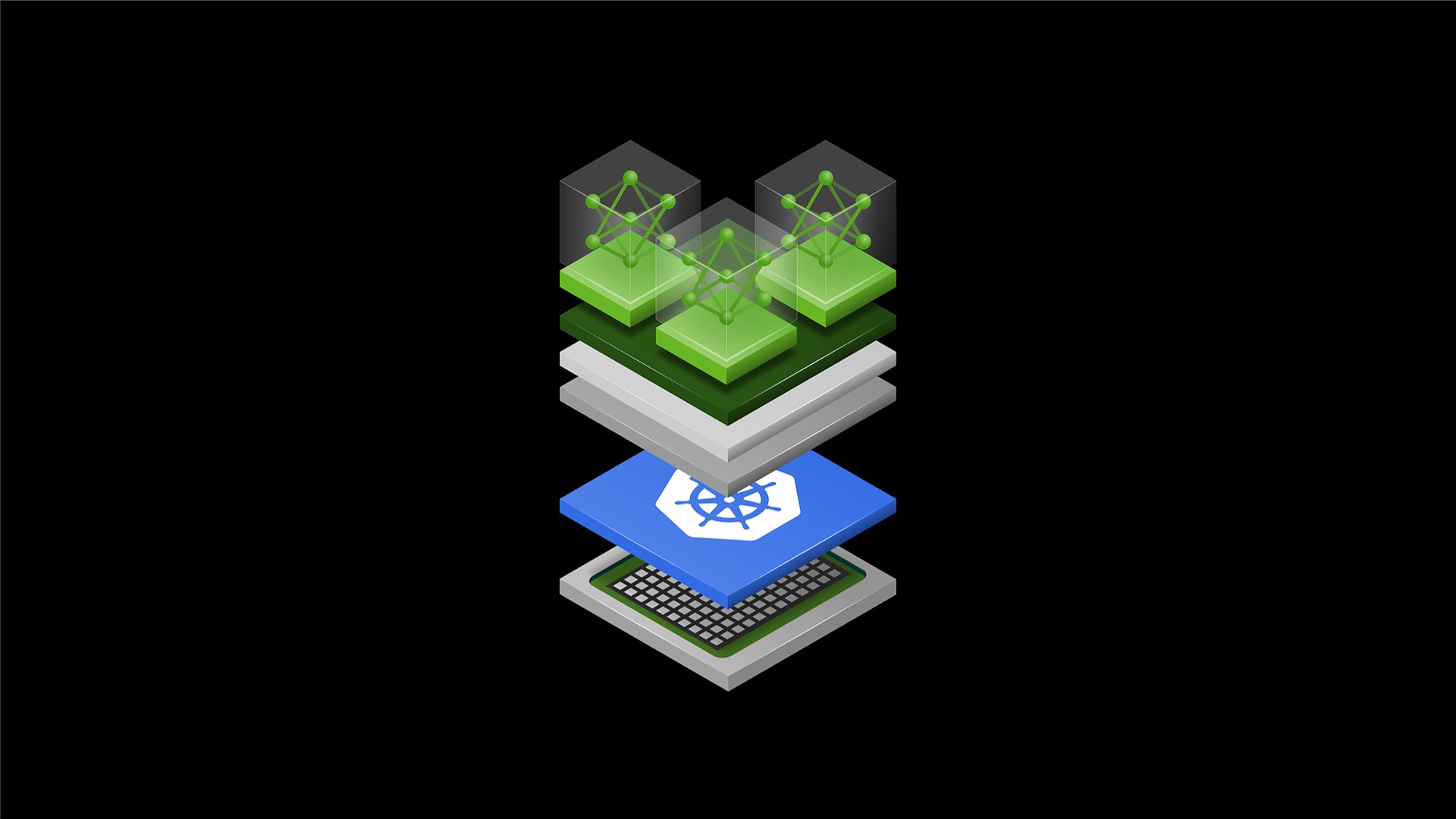
Image source: NVIDIA
NVIDIA has contributed a dynamic resource allocation driver for GPUs to the Kubernetes community, aiming to improve the management of AI workloads. This move is crucial for enterprises leveraging AI infrastructure.
The details
- This initiative enhances transparency and efficiency in AI resource management.
- It supports high-performance AI workloads running on Kubernetes.
- The donation aligns with NVIDIA's commitment to open-source AI development.
- Kubernetes is a leading platform for containerized applications.
Why it mattersImproved resource management for AI workloads can lead to better performance and lower operational costs for companies.

Image source: OpenAI
OpenAI Japan has launched a Teen Safety Blueprint that aims to enhance safety measures for teenagers using generative AI. This includes stronger age protections and parental controls.
The details
- The initiative focuses on safeguarding teen well-being in the digital space.
- It includes guidelines for developers to implement robust safety measures.
- The blueprint reflects OpenAI’s commitment to responsible AI use.
- It aims to address growing concerns about AI risks among youth.
Why it mattersThis initiative could set a standard for safety protocols in AI, influencing other tech companies to prioritize user protection.

Image source: The Verge AI
A judge has granted Anthropic a preliminary injunction against the Pentagon's decision to blacklist the company. This ruling allows Anthropic to continue its operations while the legal battle unfolds.
The details
- The injunction was granted during a lengthy legal process.
- The Pentagon had labeled Anthropic a supply chain risk.
- Anthropic's response highlights potential biases in government evaluations.
- This case may set a precedent for other AI firms facing similar issues.
Why it mattersThis ruling emphasizes the importance of fair treatment in government contracts and could impact future relationships between AI companies and government entities.

Image source: OpenAI
OpenAI has launched a Safety Bug Bounty program aimed at identifying vulnerabilities in its AI systems. This initiative seeks to enhance the safety and reliability of its applications.
The details
- The program targets issues like prompt injection and data exfiltration.
- Participants can report vulnerabilities in exchange for rewards.
- This move is part of OpenAI’s broader strategy to improve AI safety.
- The program encourages community engagement in AI safety efforts.
Why it mattersBy incentivizing the community to report vulnerabilities, OpenAI is proactively addressing potential risks and enhancing the security of its technologies.

Image source: NVIDIA
NVIDIA is examining how AI can help stabilize the global energy grid by creating flexible AI factories. This research highlights the intersection of AI technology and renewable energy.
The details
- The project aims to optimize energy consumption in real-time.
- It could lead to breakthroughs in managing energy resources effectively.
- NVIDIA’s approach involves using AI to predict and respond to energy demands.
- This initiative aligns with global efforts to enhance energy sustainability.
Why it mattersAs the world moves towards renewable energy solutions, AI’s role in optimizing energy use is increasingly critical, potentially transforming how we manage energy systems. ##